


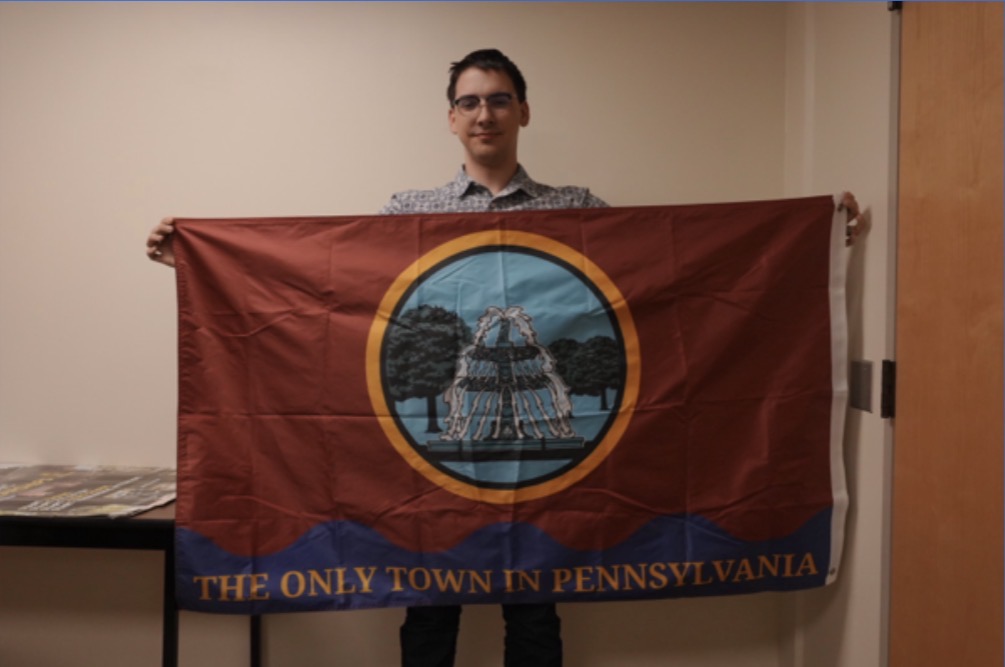
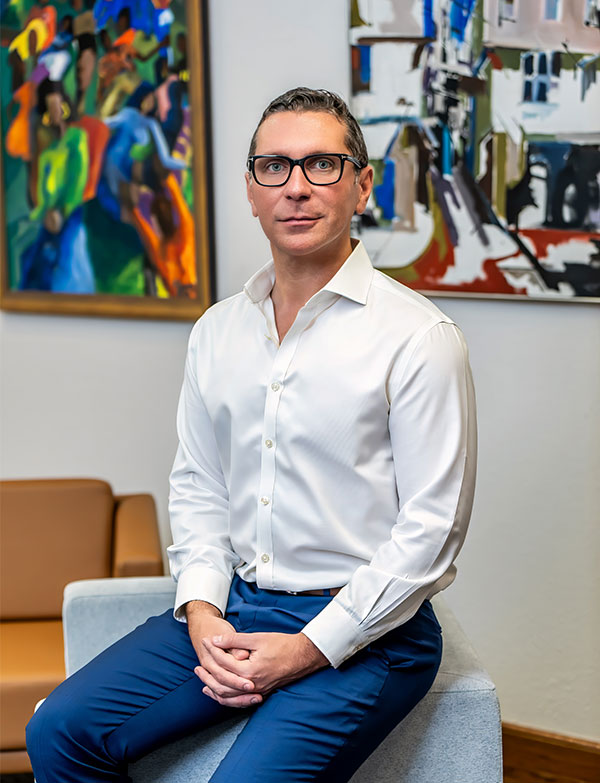













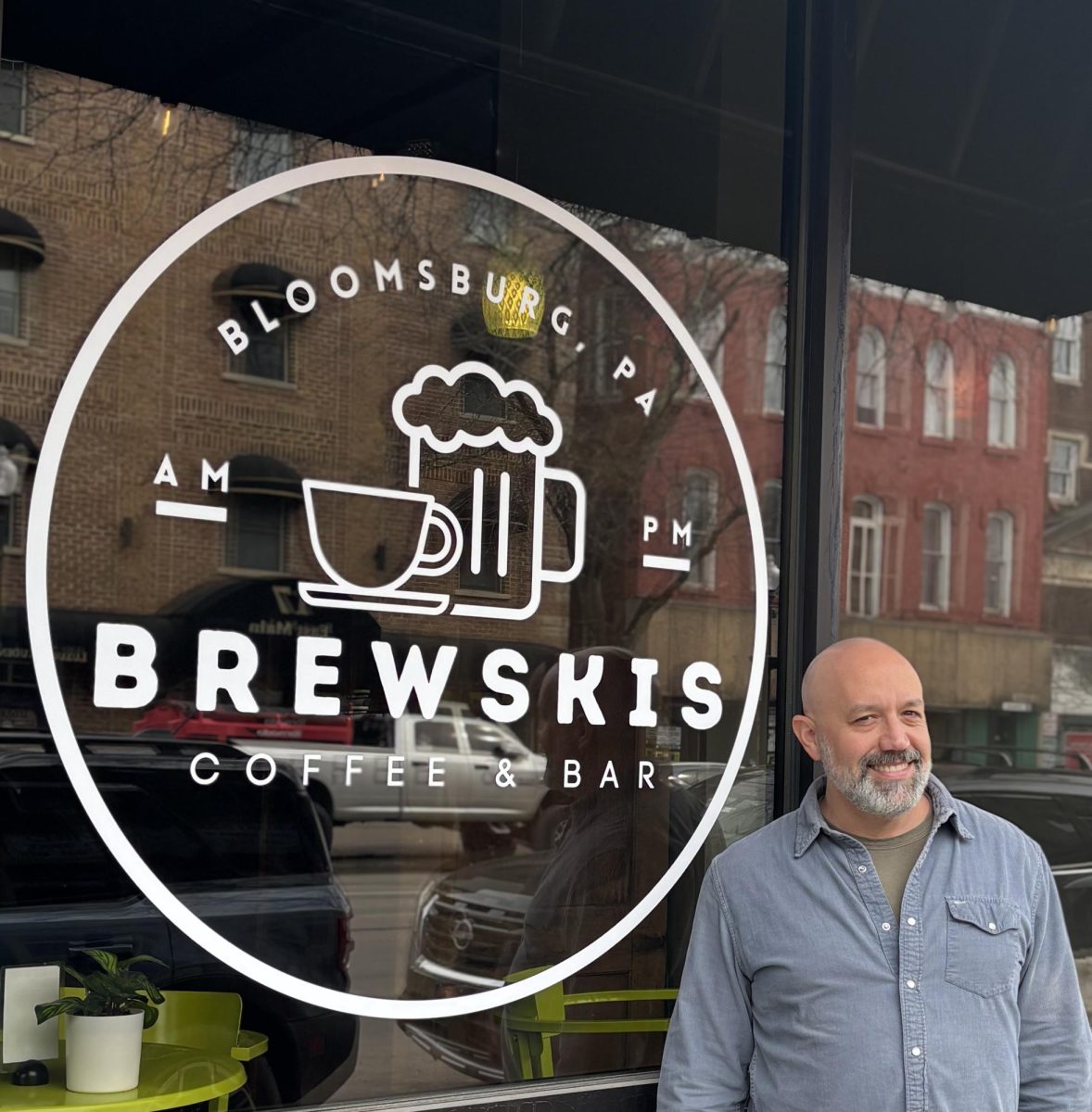
The aroma of fresh coffee drifts from Brewskis’ front door as Mayor Justin Hummel greets a customer by name. For Hummel, public service didn’t start in the mayor’s office, but in a crowded school board meeting, sparked by a father’s concern for his stepson’s education.
“I first got into public service by serving on the school board,” Hummel recalled. Concerned about excessive standardized testing affecting his stepson, he sought change. This direct experience with local governance prompted his eventual rise to mayor in Bloomsburg, Pennsylvania.
After his first term as mayor, Hummel was re-elected and has recently announced his candidacy for the Pennsylvania House of Representatives in the 109th District, which includes Columbia County. In his campaign announcement, he emphasized the importance of addressing the county’s specific needs and outlined priorities such as reducing the cost of living, supporting first responders and mental health, protecting jobs and farms, and maintaining strong connections with constituents.
Practical Governance
As mayor, Hummel describes his approach as practical. Municipal leadership, he says, means reacting to unexpected problems while dealing with insurance, bidding, and legal requirements.
That balance, he says, needs patience and concentration on results over ideology. He emphasizes fairness in applying local rules: the town applies them consistently and reasonably, not to punish residents or generate revenue.
Hummel identifies several challenges facing the community, including rising living costs, mental health needs, addiction, and limited access to health care. He believes addressing these issues requires long-term planning and investments, such as upgrading municipal accounting systems or implementing new technologies and infrastructure to enhance public safety, even if such measures are not immediately popular.
He has championed initiatives like expanding bike lanes and developing e-mobility infrastructure, projects that directly benefit students commuting to class or exploring town without a car.
Public & Private Leadership
Outside of government, Hummel is also a small-business owner. He and his wife co-own Brewskis, a coffee and food business that grew out of the pandemic-era closure of a previous venture, a live-music venue known as The Study.
After the venue closed in 2020, the couple adapted by making pierogies and selling them at farmers’ markets before expanding into a coffee shop. Hummel notes that the business is now self-sustaining, which he considers a source of personal and financial pride.
He states that running a restaurant has shaped his leadership style. Managing costs, supervising staff, and interacting with the public have reinforced discipline, flexibility, and adaptability—skills he applies in public office.
Operating a business with his wife required trust and communication. Hummel describes building a business together as “a big leap of faith” and considers it a significant accomplishment.
Shaped by family and travel
Hummel traces his civic responsibility to his upbringing. His family was active in philanthropy, social clubs, business, and law. Community involvement, he said, was expected.
He believes that people who have the time and resources to contribute have an obligation to serve, a principle that continues to guide his public life.
Travel has also influenced his perspective. As a child, he visited Africa with his grandparents and later studied in Australia as an exchange student. These experiences broadened his outlook and reinforced empathy.
These journeys, he says, highlighted both the opportunities of American life and the value of learning from how other societies respond to local needs.
Pandemic leadership and community projects
As mayor during the pandemic, Hummel followed public health guidance and prioritized caution, while recognizing the economic impact on businesses and workers.
He takes pride in community projects such as reopening the town pool, improving the Bloomsburg Area Recreation Trail, and upgrading local facilities; amenities that give students more options for recreation and relaxation. He also values the businesses he has helped build and renovate, which not only create jobs but also offer students opportunities for part-time work and community engagement.
Looking ahead
As he campaigns for the state House, Hummel emphasizes practical, community-based solutions. His platform focuses on policies tailored to each community, highlighting public safety, social services, economic opportunities, and financial relief for families.
Despite the ongoing demands of public service and business ownership, Hummel says his greatest source of pride is his continual effort to grow, learn, and become a better person each day. He hopes students see local leadership as a way to make a real difference, whether through volunteering, civic engagement, or simply supporting projects that shape the town’s future.
“I think I’m most proud of just continuing to try to evolve as a human,” he said, “and be a better person than you were yesterday.”
Colleagues and residents describe Hummel as pragmatic, combining his experiences as mayor and restaurateur with influences from his family and travels. He consistently values fairness, empathy, and ongoing personal growth, shaped by small-town life and a commitment to service.