













For many students, the difference between staying in school and falling behind can come down to something as simple as a car repair, rent payment or access to basic hygiene products.
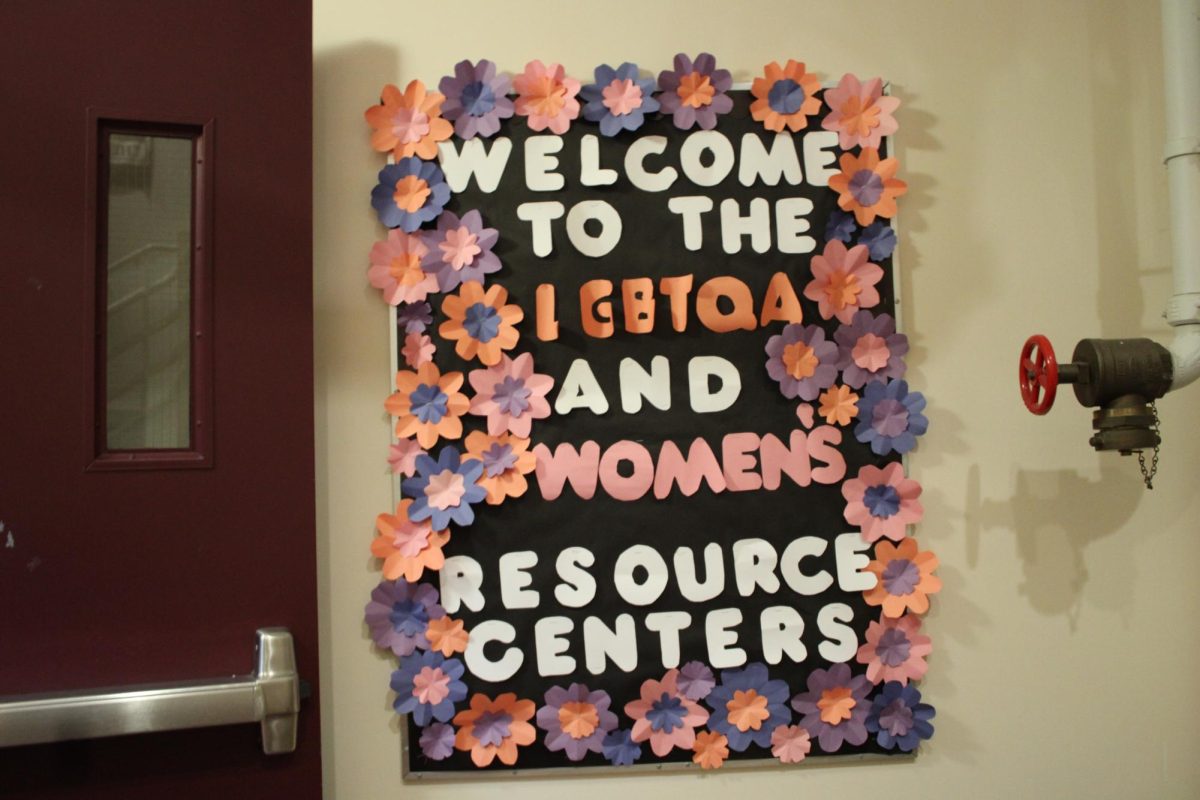
At Bloomsburg’s Women’s Resource Center, recent donations are helping close that gap.
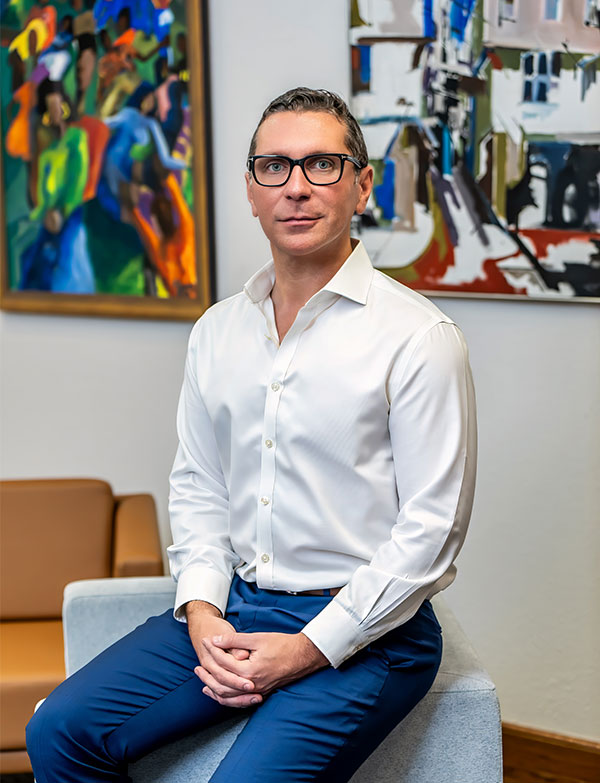
Director Megan Wein said two new contributions, an additional $10,000 to the Bittner Fund and a $5,000 alumni donation spread over three years, are already making a direct impact on students’ daily lives.
“We’re able to assist students who are experiencing financial need or struggle, especially when it’s impacting their ability to stay here,” Wein said.
The Bittner Fund, an endowed scholarship, provides emergency financial support on a first-come, first-served basis. According to Wein, that support has already helped students in tangible ways this year.
“We’ve helped a student whose car was having issues, and we also helped a student with a security deposit because living on campus was too expensive,” she said. “Those are real barriers for students.”
Another major focus of the recent donations is addressing period poverty on campus. The center distributes free menstrual products across Bloomsburg, supplying residence halls and offices while working toward fully stocked campus bathrooms.
“A lot of students on campus do struggle with accessing menstrual products,” Wein said. “And that impacts the way that they engage with campus.”
That impact can go beyond inconvenience.
“Students who are facing period poverty are less likely to go to class because they don’t have the resources they need to feel comfortable,” she said.
The new funding will allow the center to expand access and continue its campus-wide period product drive, which collects donations from students, faculty, and staff.
While the university provides a base budget for programming, Wein emphasized that outside donations are what allow the center to go further.
“We can meet the needs of students with what we have,” she said. “But these donations allow us to go that extra step further, especially with more sustainable projects.”
Those projects include expanding menstrual product access, supporting a gender-inclusive clothing closet, and developing a peer-led program focused on preventing gender-based violence.
Beyond financial support, Wein said one of the most important roles of the center is providing a space where students feel safe being honest about their experiences.
“A lot of students who have been impacted by sexual violence are scared to seek help,” she said. “Being able to create a space where they can come in, share their story and not feel pressured is huge.”
Wein described a “ripple effect” that happens when students begin opening up.
“Being able to see one student share their story allows other individuals to share theirs,” she said. “That’s really what’s needed, just a space to talk about it.”
The center’s work is especially visible this month as it hosts events for Sexual Assault Awareness Month. Upcoming programs include “Bloom From Within” on April 23 and Denim Day on April 29, both aimed at raising awareness and supporting survivors.
Still, Wein said one of the biggest challenges isn’t resources, it’s awareness.
“Students need to use the resources and services that are available to them,” she said. “You pay for them. We’re here for a reason.”
She added that involvement is key to getting the most out of college.
“You get out of college what you give,” Wein said. “If you’re not utilizing the services or getting involved, you’re missing out on a lot.”
Although it’s called the Women’s Resource Center, Wein stressed that the space is meant for everyone.
“We serve all genders,” she said. “This isn’t about women versus men, it’s about all of us and the role we play in making things better.”
As the center continues to grow, Wein said student involvement will shape its future.
“We’re always looking for volunteers,” she said. “If students have ideas or want to be part of this work, we want them involved.”