




The music department will be making major changes within the next academic year. This includes restrictions on private music lessons, and a shuffle in courses as well as faculty.
There won’t be as many part-time faculty on the music department staff, this will lead to the following:
- Non-music majors and minors will not be able to take private music lessons.
- Secondary private music lessons are not likely to be offered.
- Course offerings will rotate per semester.
This will limit students’ options to pick from when it comes to scheduling and taking private lessons. Music students are said to be feeling afraid and anxious as to what the future looks like.
The Student Response
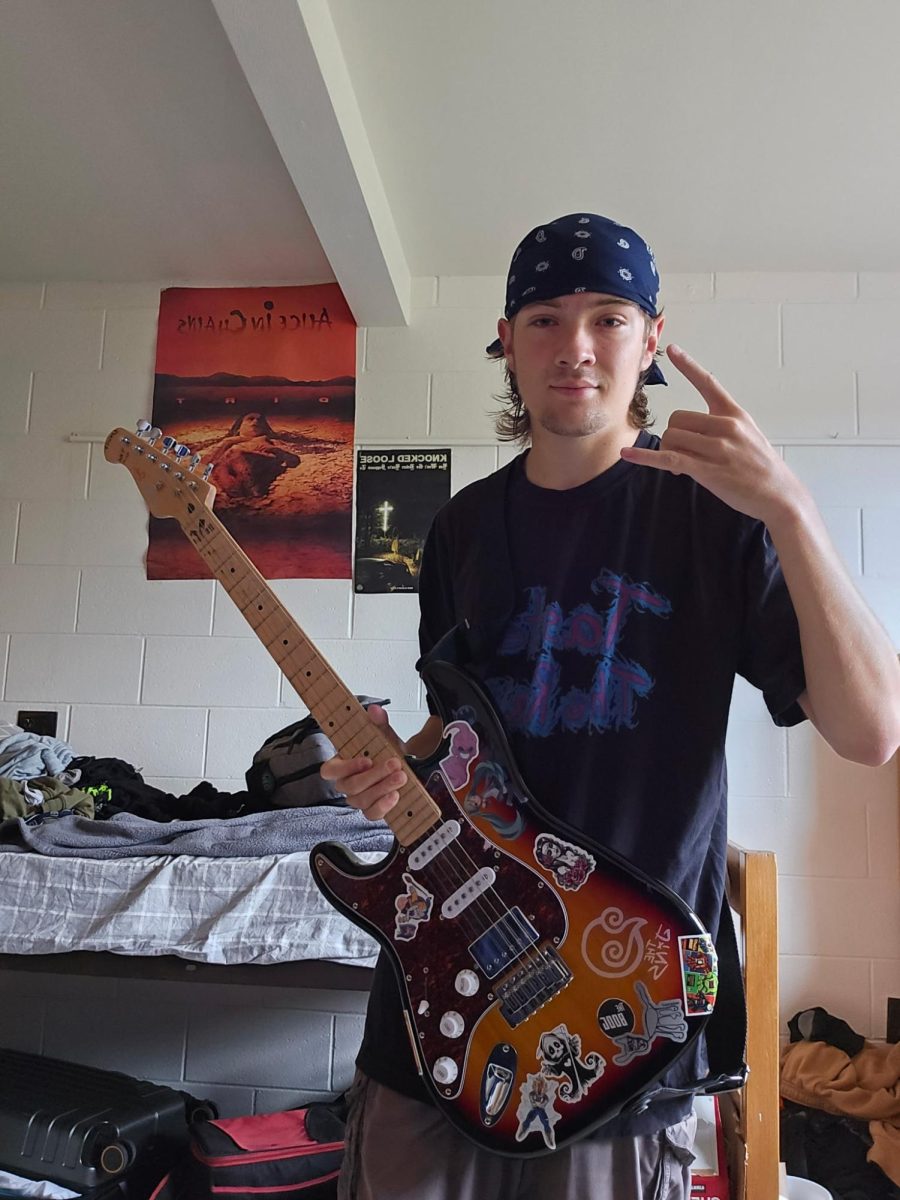
“It’s stupid, they want to cut back on the hours that some teachers are here to save a smidge of money,” says Matthew Hanshaw, a junior music technology student.
Hanshaw goes out of the school system to practice his primary instrument for only $20 an hour.
“It’s a stereotype to say colleges don’t care about their arts programs,” says Hanshaw. “We always feel like an afterthought. Now they are just proving us right.”
The background of faculty changes in the music department
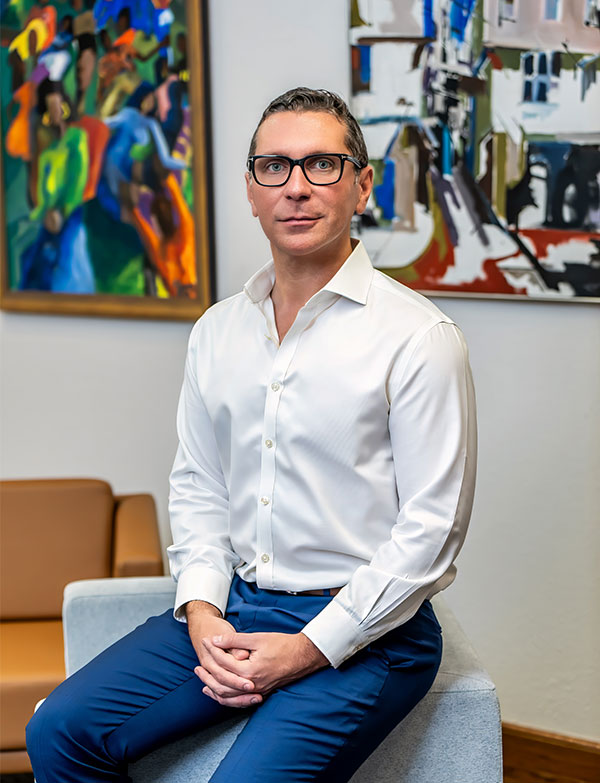
“What is changing is that we won’t have as many part-time faculty on staff, what that means is that some faculty who used to teach one thing, may now be teaching another.” said associate professor of music, as well as the chair of the music, theatre and dance department, David Tedford.
Tedford goes on to explain that this will put course offerings on a rotation. For example, typically there were three music history courses being offered. Next semester, they will only offer two.
Some of the music education classes are designed specifically for teacher training, so the rotation on those courses will be extended. However, these classes need to be offered as it’s apart of the music department’s curriculum, and students need to take these courses in order to graduate,
Tedford says, “we as a faculty are getting creative as to when we can offer said classes and who is going to be teaching them.”
This will heavily influence the music technology curriculum due to it being run by a part-time faculty member, Erik Scattareggia.
“He’s a Bloomsburg alumni which is great… he knows the program well… but he lives in Philadelphia,” Tedford said.
There was a decline in what the department could offer Scattareggia to make it feasible for him to come to Bloomsburg. A music technology professor from the Mansfield campus will be teaching classes online, and faculty from Bloomsburg will be picking up courses from the music technology curriculum in order to keep students on track.
The change in private music lesson policies
Tedford explains that historically, as long as a full-time faculty member was willing to and they had room in their load, they could teach private lessons. That is still the policy for full-time tenured faculty, but for temporary staff it’s becoming more restrictive.
“Basically, you have to declare a music major or minor,” says Tedford, “that’s the change.”
This, as well as secondary private lessons not being offered, has caused fear to spread amongst students.
According to Tedford, the lack of secondary lessons is making current music students want to leave the department, pushing them to want to go elsewhere.
“The problem is though, a lot of other universities don’t offer secondary lessons because it’s not part of the curriculum… as the curriculum has changed, and as enrollments have changed, electives have had to get cut,” Tedford said.
While big changes cause anxiety amongst students, the music department promises to still offer a quality education.
“We’re gonna make sure you get in and out with an excellent education,” says Tedford, “because that’s our job.”
What the community can do to support
Tedford explains that students can support the department by joining ensembles, continuing to enroll, and getting involved with events.
“What we’re trying to do is to develop a sense of community… not just in the department, but on campus.”