
















A student at CU Bloomsburg who goes by Lotus Lynx on Telegram has embraced a passion that many on campus might not expect—being part of the furry community. But contrary to common misconceptions, this creative interest is simply about appreciating anthropomorphic characters and art, much like any other hobby or fandom. For Lotus Lynx, it’s a journey that began with prejudice and transformed into understanding and creative expression.
The Unexpected Discovery
For Lotus Lynx, the path to becoming a furry began in a place most people wouldn’t expect—with open hostility. “I actually started out hating furries, since that’s kind of the norm when you’re younger,” they explain candidly. Like many young people, Lotus Lynx had absorbed the cultural stigma surrounding the furry community without ever questioning it.
But everything changed during a chance encounter while gaming. Lotus Lynx met someone who revealed they were a furry—and this person defied every negative stereotype Lotus Lynx had absorbed. “They were really nice and cool, and that made me realize furries are just normal people too,” Lotus Lynx recalls. That pivotal moment, about four years ago when Lotus Lynx was just 14, sparked a complete transformation in perspective.
“I know meeting that one person from the game I liked led to me being a furry,” they reflect. What started as a casual gaming friendship became the catalyst for a fundamental shift in how Lotus Lynx viewed an entire community. It’s a powerful reminder that sometimes all it takes to overcome bias is a genuine human connection.
Understanding the Community
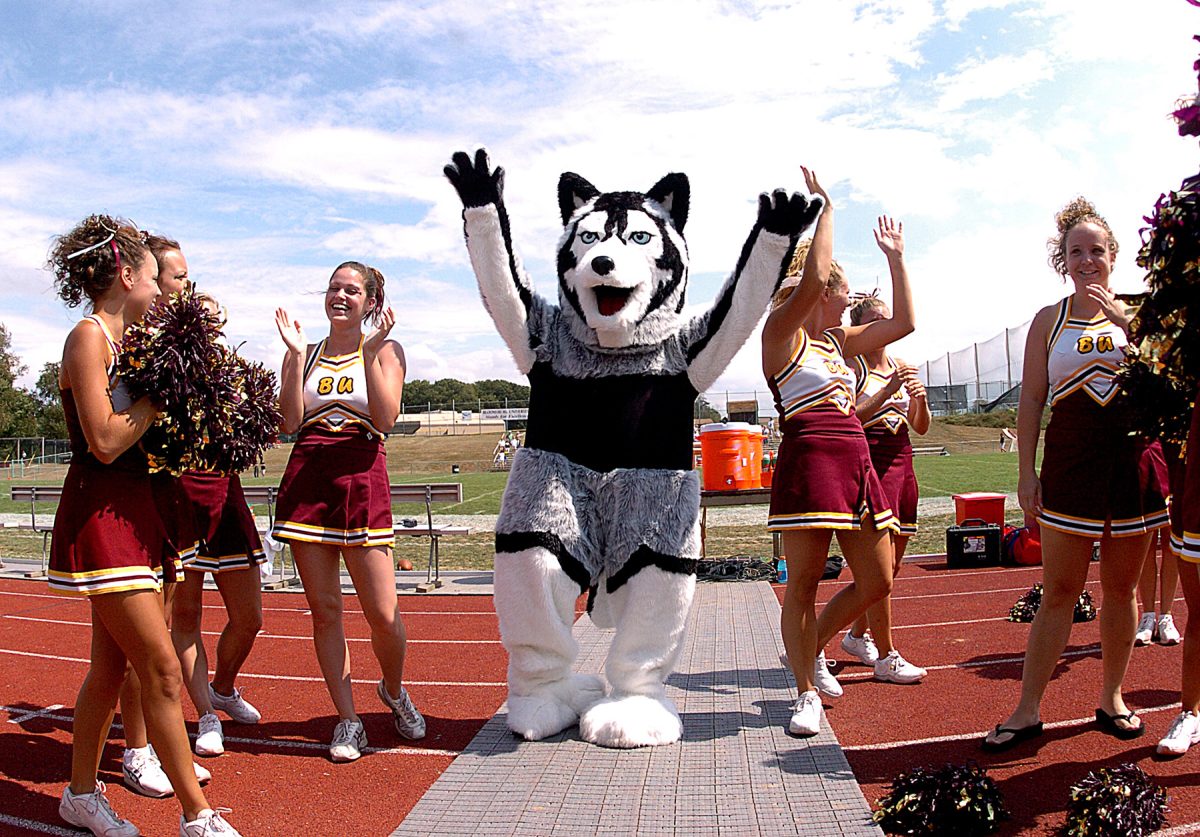
Today, Lotus Lynx sees the furry community as a creative outlet focused on art and character design. “It’s basically the same thing as cosplay,” they note. “To be a furry is simply liking anthropomorphic animals—animals with human characteristics. Mickey Mouse is technically a furry character because it’s an anthropomorphic mouse.”
This definition is important because it grounds the community in something concrete and relatable. Anthropomorphic characters have existed in popular culture for decades, from Disney classics to modern animation.
Rather than being deeply embedded in the community’s social circles, Lotus Lynx approaches their interest more casually. “I’m not really too involved in the community,” they explain. “I just like the characters and the art.” Being a furry doesn’t necessarily mean attending conventions or constantly engaging with other community members. For Lotus Lynx, it’s primarily about appreciating the creativity that the community produces.
Creative Expression and Artistry
At the heart of Lotus Lynx’s interest is creative expression through character design. Currently, they’re designing a new fursona—a ram—continuing their passion for character creation. “The process doesn’t really matter,” they explain. “You just have fun with it till you get a design you like.”
Lotus Lynx also creates their own artwork related to their fursona, contributing to the creative culture they love. “There are so many fantastic suits that are just stunning to look at, and plenty of gorgeous art,” they say enthusiastically. One of their favorite aspects of the community is the sheer artistry involved.
Regarding fursuits—the elaborate, custom-made costumes some furries wear—Lotus Lynx acknowledges the significant financial barrier. “I don’t have a fursuit. They are incredibly expensive—usually over $1,000 just for a head and $5,000 for a full body suit.” However, being a furry doesn’t require any financial investment. “It doesn’t need to involve any money, honestly,” Lotus Lynx explains. “But if you’re commissioning artwork or buying a suit, it can definitely get really expensive.”
Confronting Stigma
Despite the welcoming nature of the community, the furry fandom faces persistent stigma. “There’s definitely stigma. People attack you online if you have a furry profile picture, and many believe all furries are zoophiles or pedophiles, which obviously isn’t true,” Lotus Lynx says candidly.
The biggest misconception is fundamental: “People seem to think that furries believe they are their fursona, or that they’re an animal. Which just isn’t true. Those who dress up in suits—it’s just that: dressing up. People who dress as the Joker for Halloween obviously don’t believe they’re the Joker.”
When confronted with jokes or assumptions, Lotus Lynx takes a pragmatic approach. “I kinda just ignore it. I understand their hate is based in ignorance, and people like that aren’t going to listen anyway.”
Life on Campus and Beyond
On campus, Lotus Lynx remains relatively low-key about their interests, though friends have noticed their furry profile pictures and the painting of their sona. “My friends and family don’t really care,” they note simply.
Balancing this hobby with college life is manageable. “It’s a bit challenging, but that’s just an in general thing,” they say.
What Lotus Lynx truly hopes people understand is this: “I wish more people understood how accepting the community is. Everyone is usually very sweet and caring.” Four years after that chance meeting that changed everything, Lotus Lynx continues to find meaning in a community built on creativity and acceptance—a reminder that sometimes the most fulfilling connections come from the most unexpected places.