


















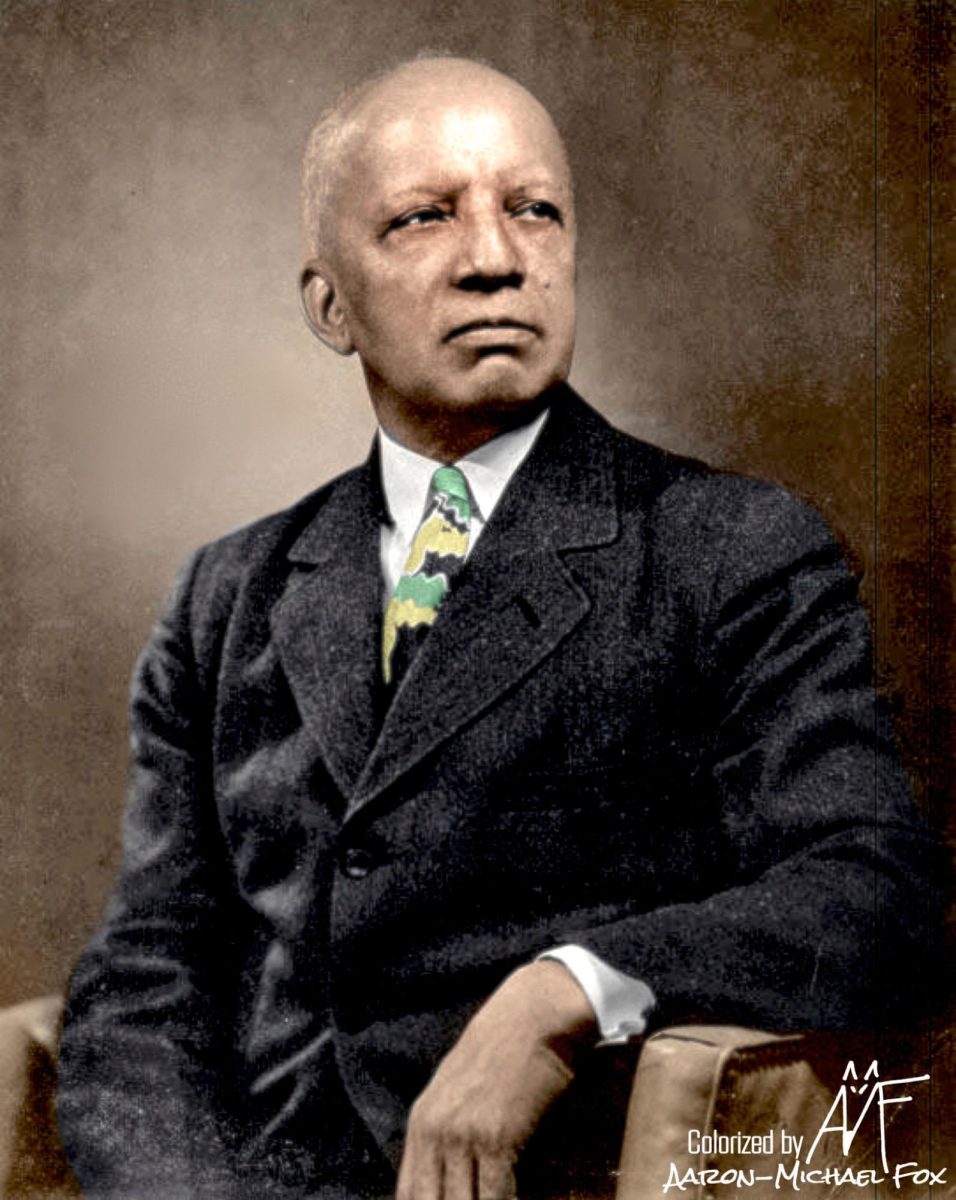
Black History Month started as a single-week celebration that Dr. Carter G. Woodson established through his initiative in 1926. Originally called “Negro History Week,” Woodson chose the second week of February to coincide with the birthdays of Abraham Lincoln and Frederick Douglass. His mission focused on protecting the historical achievements of African Americans from being omitted from American historical records.
Woodson, often called the “Father of Black History,” believed that understanding the past was essential to building a more equitable future, and he dedicated his career as a historian and educator to ensuring that Black contributions to American society would not be erased. President Gerald Ford established Black History Month as a national celebration during the 1976 bicentennial year, when he asked Americans to recognize the achievements of Black Americans that had been ignored for too long. Since then, every U.S. president has issued a proclamation designating February as Black History Month, cementing Woodson’s vision into the fabric of American civic life. The movement evolved into a call for future development that went beyond its original goal of honoring past events.
Central to this shift was
The Black Panther Party
for Self-Defense (BPP), founded in 1966 by Huey P. Newton and Bobby Seale in Oakland, California, during a period of intense racial tension and widespread inequality. The Panthers established themselves as social justice pioneers through their community-based work rather than the militant image most people remember.
The organization created more than sixty Survival Programs, including their Free Breakfast for Children Program, which provided food to thousands of undernourished children before the federal government started its own comparable programs. They also launched free medical clinics, grocery giveaways, legal aid services, and educational programs that served Black communities who had been neglected by local and federal institutions. Their “Ten-Point Platform and Program” called for land, bread, housing, education, and peace — demands that continue to inspire present-day activists. The Panthers demonstrated that history serves as a tool for empowerment rather than a mere academic record in textbooks, and their legacy reminds us that meaningful change often begins at the grassroots level, within the communities that need it most.
Sankofa: Looking
Back to Move Forward
The Akan concept of Sankofa illustrates how heritage relates to progress. Often represented by a bird with its head turned backward while its feet face forward, Sankofa teaches that “it is not taboo to fetch that which is at risk of being left behind.” The Sankofa Conference model draws from this philosophy. These events function as a bridge, enabling students to join forces with community members to study how Black leaders navigated past challenges and to better understand current struggles.
Join the Movement at Commonwealth University – Bloomsburg
The local community maintains the spirit of Sankofa today. On February 21st, Commonwealth University – Bloomsburg will host its own Sankofa Conference. The event offers an interactive format that unites educational materials with activities designed to help participants develop leadership skills, understand different cultures, and engage in meaningful dialogue.
Black history is not confined to written books — it exists as an active, living force that continues to evolve. The conference provides participants with opportunities to learn about lesser-known civil rights figures while joining discussions about equality and personal identity in the present day. Your attendance allows you not only to witness history but to actively take part in shaping it. We carry forward the understanding Dr. Woodson championed and the bold efforts of the Black Panther Party as we continue to move progress forward.