


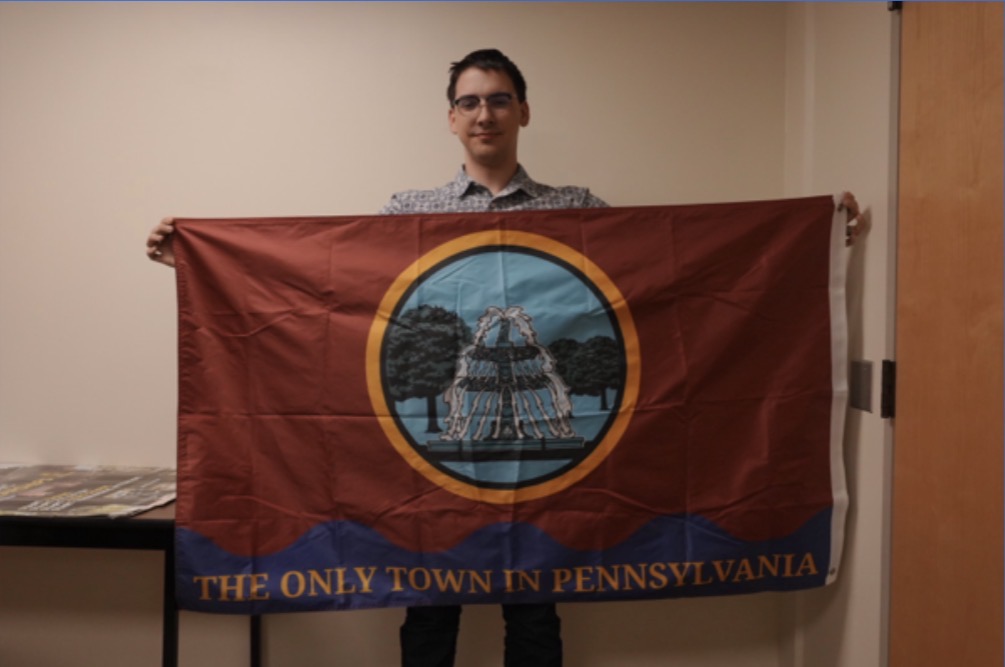
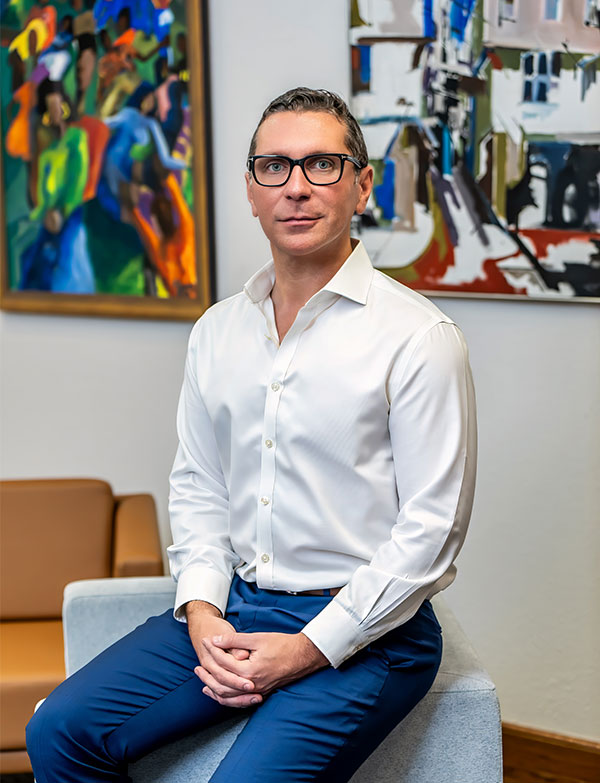

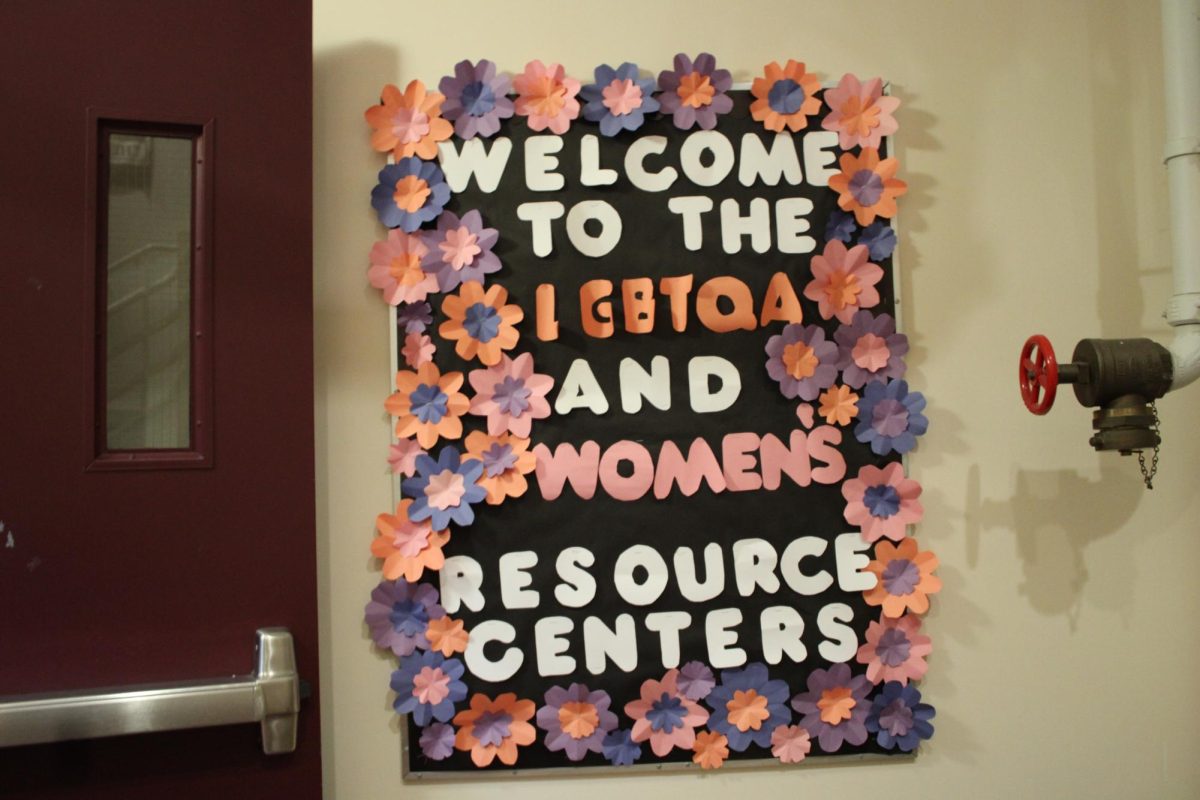





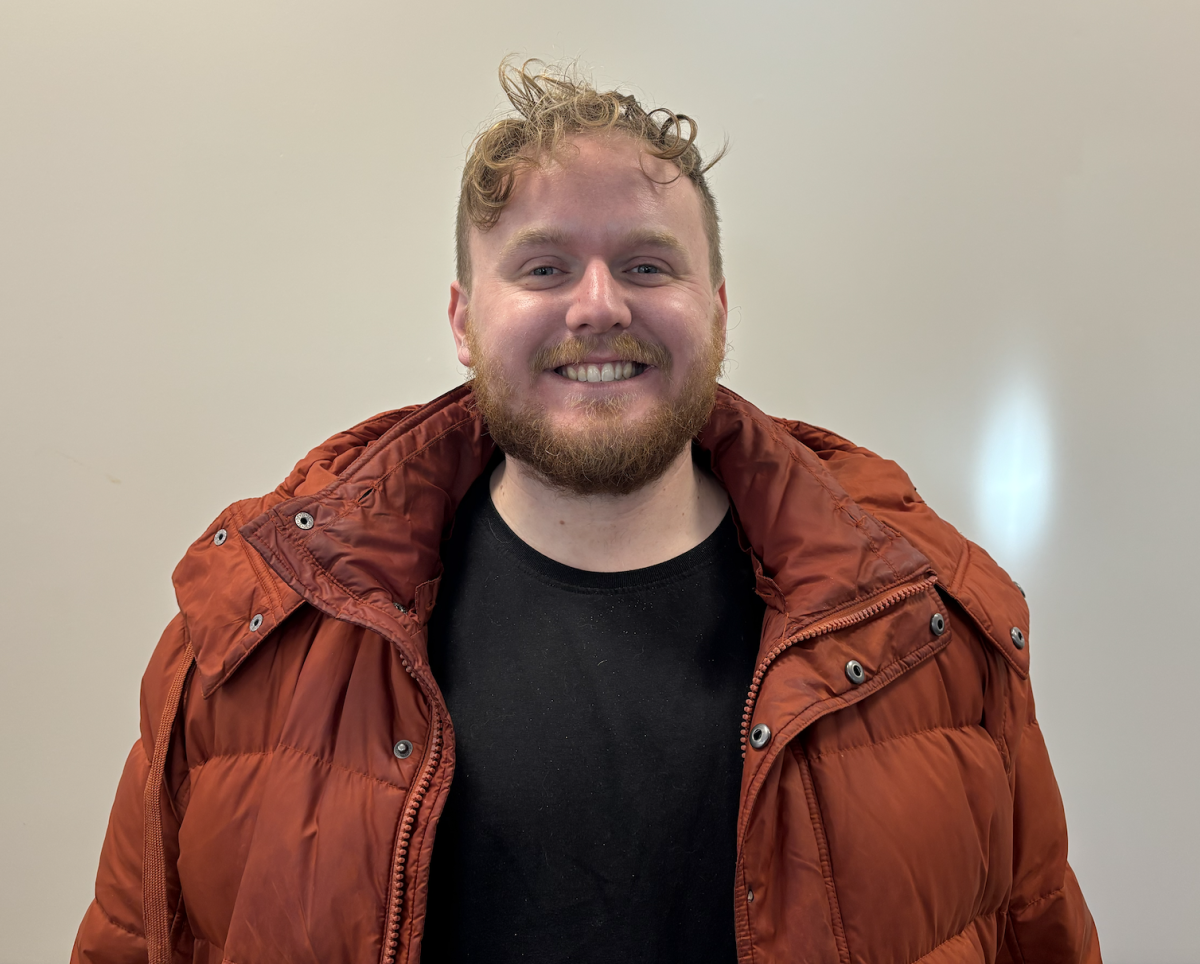





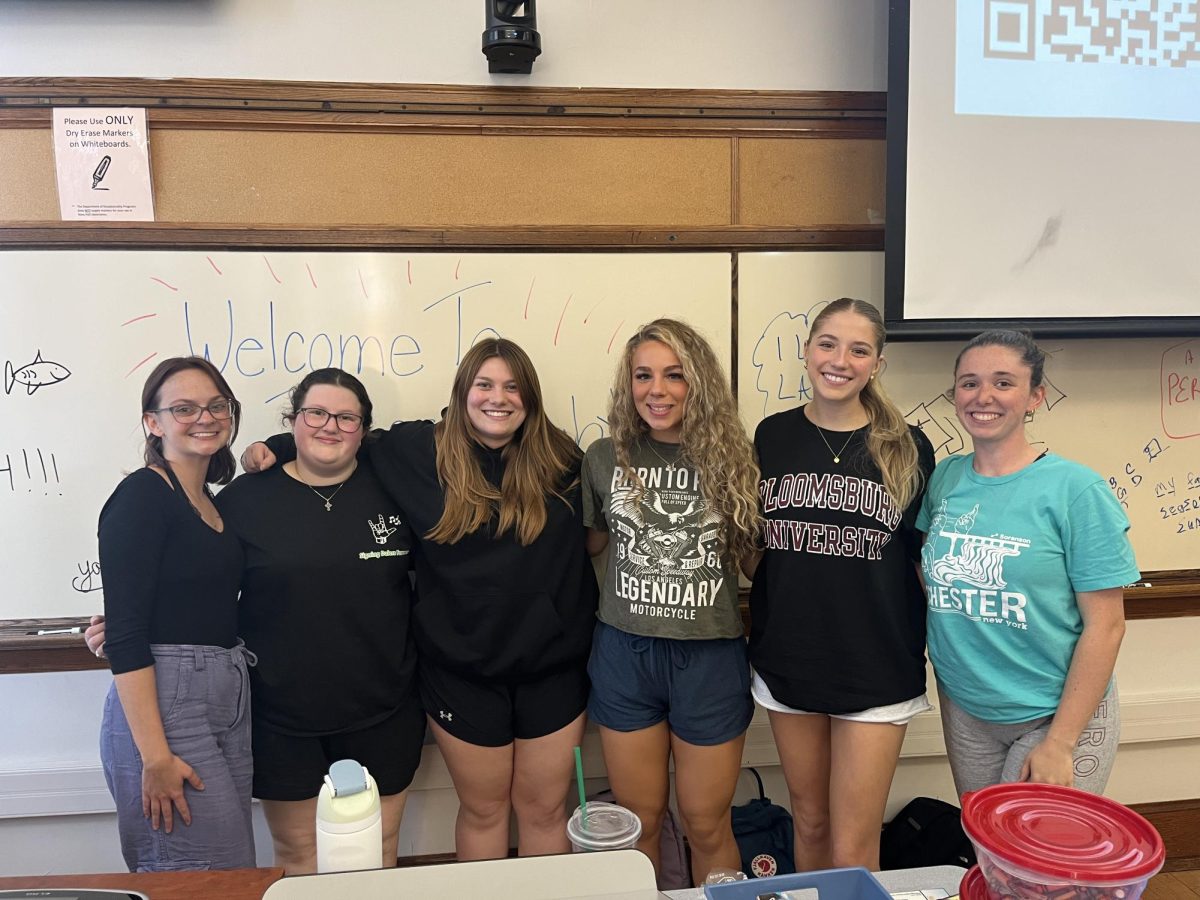

The LGBTQA Resource Center recently hosted its Queer Speak Out Panel, bringing together queer students to speak openly before an audience of peers, faculty, and staff. Facilitated by Megan Wein and featuring panelists including Cameron Wein, Warren Daisey, Gil Rathman, Leo Karsan, and others, the evening created something rare on a college campus: a structured, intentional space for queer voices to be heard. What followed was an honest, layered discussion that moved through identity, campus climate, and — most memorably — joy.
The panel opened with identity, where each speaker reflected on how they understand their queerness, how they arrived at it, and how it shapes their daily life at Bloomsburg. No two stories were alike. Some panelists spoke about the process of coming out; others discussed how their sense of self continues to evolve. What emerged was a portrait of a community that is far from monolithic, bound together not by a single narrative but by a shared willingness to be honest. For many in the audience, it may have been the first time they heard a peer speak candidly about queer experience on campus. That kind of direct, human testimony has a staying power that no pamphlet or policy document can replicate.
The conversation then shifted to campus climate — an honest accounting of what Bloomsburg offers its LGBTQA+ students and where the university still falls short. Panelists acknowledged the meaningful work of the Resource Center while being equally candid about the gaps that remain in institutional support and everyday campus culture. Hearing directly from students about where they feel seen — and where they do not — is information no survey can fully capture.
The final topic was, without question, the highlight of the evening: queer joy. Too often, public discussions of LGBTQA+ life center exclusively on hardship. That conversation is necessary — but it is incomplete without an equal focus on joy. Panelists spoke about chosen family, creative expression, the warmth of queer community, and the freedom that comes with self-acceptance. The energy in the room shifted noticeably. Laughter came easier. Queer joy is not a distraction from serious advocacy — it is the point of it, and giving it space in the conversation felt like a quiet act of resistance all its own.