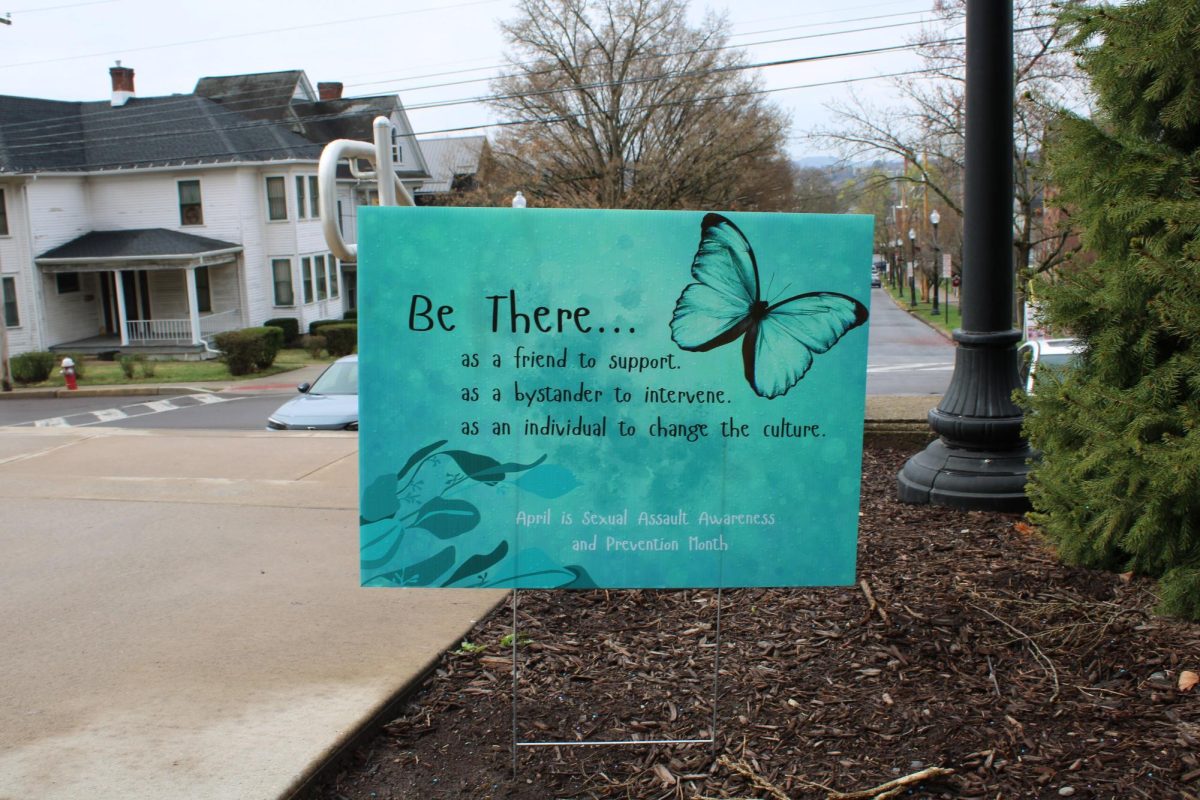















April is Sexual Assault Awareness Month. Campuses across the country unite to raise awareness, support survivors, and challenge harmful cultural norms. Though these conversations are vital, they often focus on a narrow narrative. This narrative overlooks groups of survivors whose experiences are underrepresented. To truly address sexual violence, we must broaden the conversation. It must include male survivors and members of the LGBTQ community. Sexual assault is not defined by gender, sexuality, or identity, but by the absence of consent. Still, social views shape perceptions of who is considered a “real” victim. For instance, men are often excluded from discourse about sexual violence because of cultural expectations, such as masculinity, emotional restraint, and dominance, which make it difficult for male survivors to come forward. Many are taught, implicitly or explicitly, that what happened to them “doesn’t count,” especially if the perpetrator was a woman.
This stigma silences countless men, leaving them to navigate trauma without recognition or support. The issue is even more complex within LGBTQ communities.
Studies show that individuals in these groups experience higher rates of sexual violence: bisexual women face some of the highest rates of sexual assault, transgender individuals, especially trans women of color, are at extreme risk, and gay and bisexual men experience higher rates than their heterosexual counterparts, and are even less likely to report their experiences. Part of the problem is how we define and discuss sexual assault. Too often, traditional narratives use heteronormative assumptions: a male perpetrator and a female victim. As a result, the realities of same-sex assault are erased. Harmful myths are reinforced, such as the ideas that men cannot be victims or that sexual violence in LGBTQ relationships is less serious or somehow “mutual.” These misconceptions not only invalidate survivors. They also create barriers to reporting, care, and justice.
Additionally, LGBTQ survivors may face unique challenges when seeking help. Fear of discrimination, being outed, or encountering providers who lack cultural competency can discourage them from reaching out. A gay man may worry that reporting will reinforce harmful stereotypes. A transgender survivor may fear being misgendered or dismissed. These barriers worsen trauma and contribute to underreporting in LGBTQ communities. Expanding the conversation to include these experiences does not diminish the importance of addressing sexual violence against women; rather, it strengthens the movement as a whole.
Sexual assault is a systemic issue rooted in power, control, and violation of autonomy, affecting all genders and sexualities in different ways and contexts. A truly inclusive approach acknowledges this complexity instead of reducing it to a single narrative.
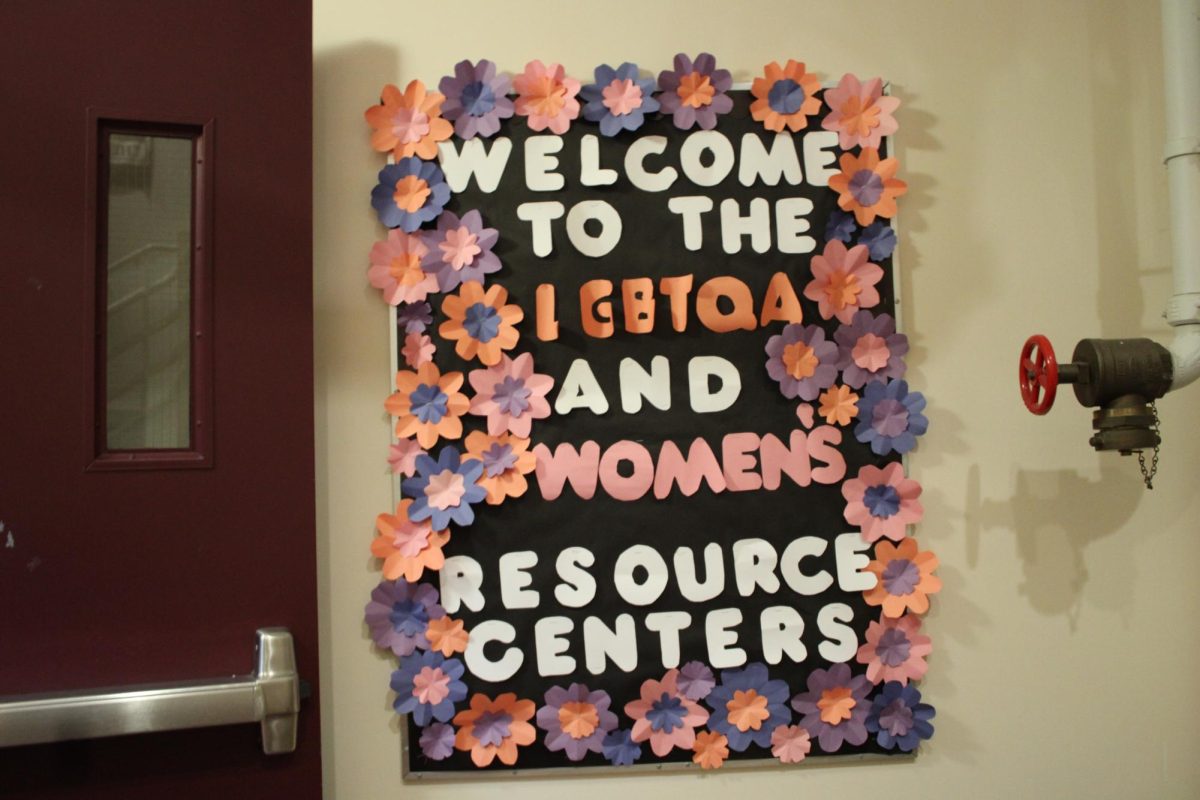
n a college campus, students navigate independence, relationships, and identity. These conversations are especially critical. Awareness must go beyond statistics and slogans. It requires engagement: learning about consent in all contexts, challenging harmful jokes or assumptions, and supporting survivors without judgment. If you or someone you know has experienced sexual violence, remember: you are not alone. Your experience is valid. Resources exist both on campus and nationally to provide confidential support. Sexual Assault Awareness Month is not just about recognition; it is about action. Let’s commit to actively listening, intervening when we see harmful behavior, advocating for broad survivor support, and educating ourselves and others. By expanding our understanding of who sexual violence affects, we can create a more inclusive, supportive environment where all survivors are seen, heard, and believed.