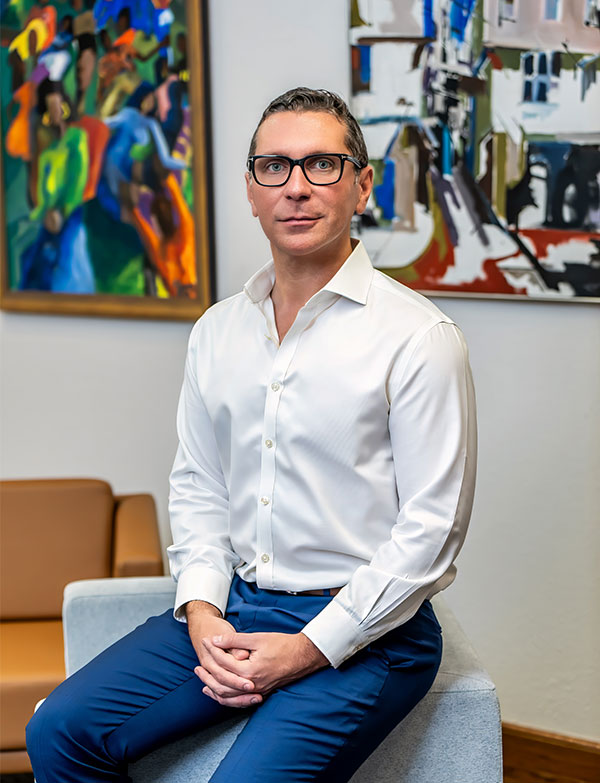

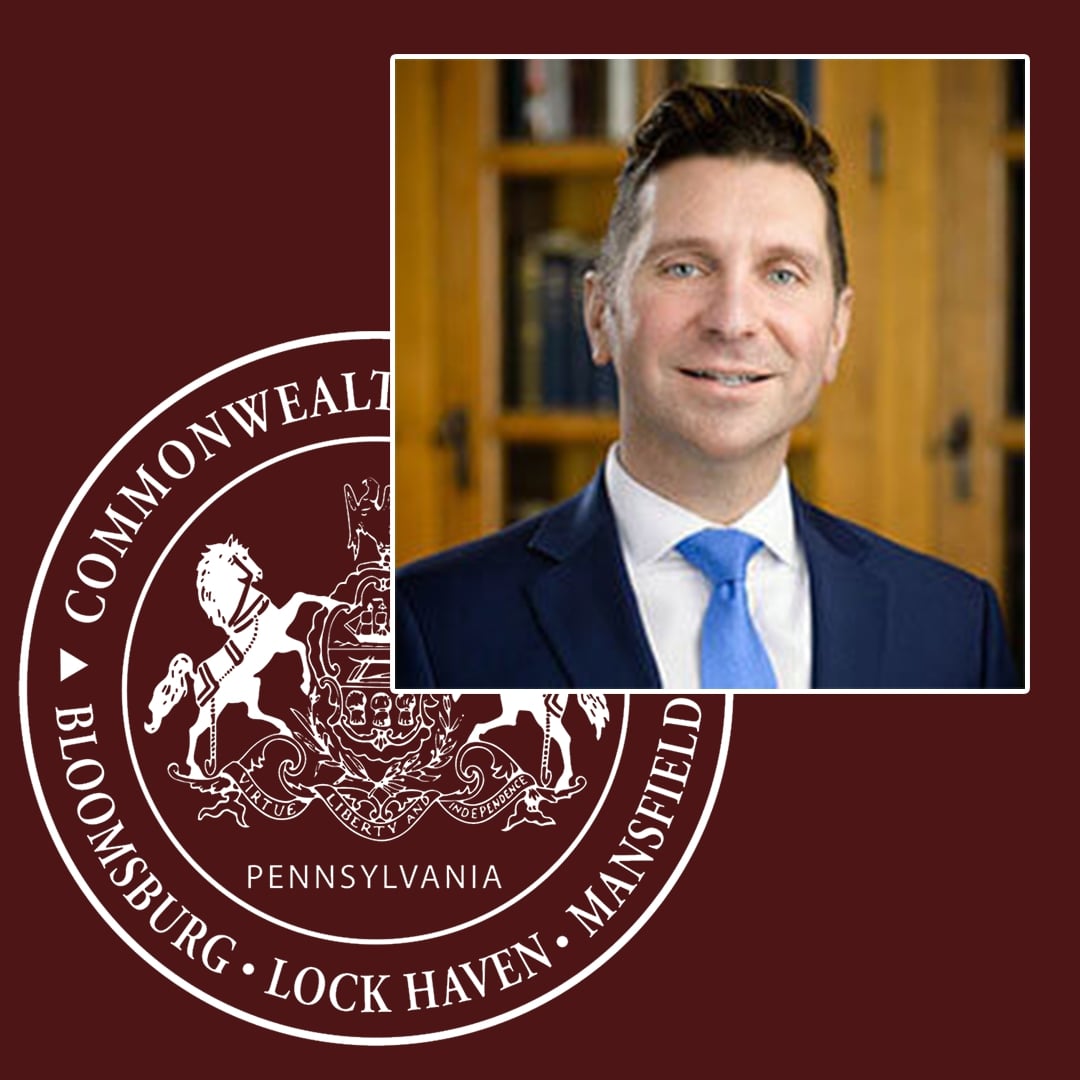








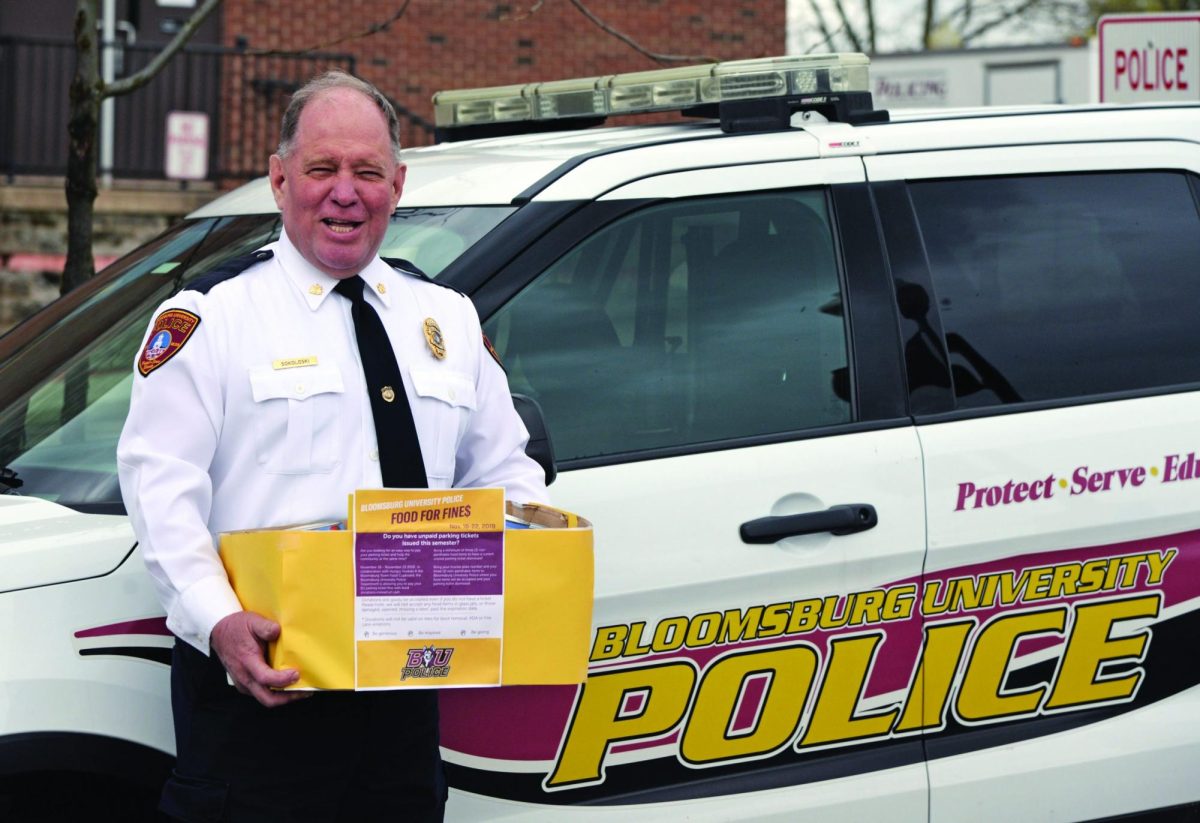
Leo Sokoloski, the Director of University Police for Commonwealth University, is no stranger to navigating change within law enforcement. Sokoloski has seen how both the culture and expectations surrounding policing have shifted dramatically.
“I’ve been around the block a couple times,” Sokoloski said. His career began in 1985 with the Bloomsburg Town Police, where he served for 28 years, his last 13 being as Chief. Within that time, he saw the small town grow alongside the university. Sokoloski shares his view on personal leadership and the challenges of leading three university police departments today. “I’m not involved in day to day operations,” Sokoloski shares, “I look at things globally in the perspective from, how can we do better and what’s in the best interests of the campus, the student faculty and staff, where are we headed, what’s the strategy to get there.”
Sokoloski joined campus law enforcement in 2018 where he served as Bloomsburg University Chief of police for 4 years and was later promoted to Director of Commonwealth University police after the merger. After the combining of Bloomsburg, Lock Haven, and Mansfield campuses, he now oversees operations across all three, a role that requires balancing standardized policy with local campus cultures.
Sokoloski emphasizes the unique nature of university policing compared to municipal departments. “This isn’t data driven policing. It’s not about racking up arrest numbers,” he said. “We respond, but we also stay. We make sure students are safe, connected to services, and supported.”
“All three campus police departments are accredited,” Sokoloski noted, something that only about a dozen universities in Pennsylvania have. Accreditation, he explained, ensures departments follow policies that meet an established quality standard. “We follow the rules of the policies, they’re the guiding principles and the fabric of our operations.”
However, even with the strong system in place, Sokoloski acknowledges that recruitment has become one of the toughest challenges in recent years. “Law enforcement is cyclical,” he explained. “Today, you don’t get many people wanting to do this type of work.”
He points to the fallout from high profile incidents like the murder of George Floyd in 2020 as a turning point. “It made all police look bad,” he said. “People don’t want to be on the top fold of the newspaper. Everybody has a cell phone. You will be videotaped.” That heightened visibility, he said, makes the profession more stressful and less appealing to potential recruits.
Despite those pressures, Sokoloski is committed to reframing what university policing looks like, especially for the student community. “We’re not here just to enforce laws,” he said. “We’re here to help students be successful.”
For campus police, restoring that trust involves visibility, outreach, and accountability. Each campus department is required to host at least two community policing events monthly, and recent efforts have included multicultural gatherings, safety talks, and student engagement sessions. “Our officers are approachable and compassionate,” Sokoloski said. “They’re here to help students succeed.”
That mission came into sharp focus during the COVID-19 pandemic, which Sokoloski described as one of the most difficult moments of his career. With campuses shut down, some students remained without homes or support. University police officers continued to serve on campus, delivering meals, medication, and essential services. “They came in every day, knowing the risks,” he recalled. “We were the face of the university during that time.”
He believes the core of law enforcement should be rooted in empathy. Whether dealing with mental health issues, substance use, or student safety concerns, officers are often the first point of contact. “Compassion goes a long way,” Sokoloski said. “Sometimes it’s as simple as holding a door or listening to someone on the worst day of their life.”
Sokoloski wants students to feel safe, not just from crime, but from isolation, confusion, and fear. “It’s not about arrest numbers,” he said. “It’s about making sure a student walking back to their car at night feels like someone’s there for them.”